

Hydraulic and pneumatic components are crucial components in a variety of industrial uses. Their dependability and performance are vital for the smooth operation of machinery, making effective cylinder maintenance a key focus for businesses seeking efficiency and optimization. Over time, damage and tear can lead to deterioration, impacting both performance and safety. This is where professional insights into cylinder repair become invaluable.
Grasping the intricacies of repairing cylinders not only contributes in extending the duration of equipment but also reduces overall costs associated with substitutions. Experienced technicians can identify issues and implement effective remedies, bringing back cylinders to their optimal condition. In this article, we will examine expert opinions and strategies for caring for and repairing pneumatic and pneumatic cylinders, offering important guidance for anyone engaged in manufacturing processes.
Comprehending Hydraulics Cylindrical Parts
Hydraulics cylindrical devices represent critical devices which transform fluid energy into physical strength, performing a crucial function within many industrial uses. Within the heart of a hydraulics cylindrical unit, you can see the barrel case, which houses the working fluid and offers the structure needed for the cylinder's functioning. Generally made from high-strength metal or aluminum, the cylinder is engineered to withstand elevated pressure and resist erosion throughout its lifespan. A thorough understanding of the barrel's integrity is essential for preserving the entire performance of the system.
Venturing inside the cylinder, we come across the plunger, that acts as the primary part that generates generating power. The plunger is fitted with seals to stop fluid fluid from leaking and to preserve pressure inside the unit. It directly engages with the fluid liquid, converting pressure to straight movement. Over time, these seals can degrade, resulting to reduced performance or complete failure of the unit. Routine checking and replacement of piston gaskets are crucial for proper unit maintenance.
The action of the hydraulic cylinder is further supported by additional components, such as terminal caps, rods, and accumulators. The terminal covers secure the unit structure and offer attachment areas for the fluid tubes. The rod functions as the extension that conveys the plunger's movement outside the unit, typically connected to the machinery it drives. Understanding how these parts work as a unit aids in identifying problems and making sure proper care practices are followed, thereby resulting to improved performance and longevity of the hydraulic unit. spintax
Common Issues and Troubleshooting
Hydraulic and air-powered cylinders can face a number of usual issues that impact their efficiency. One of the most common issues is leaking seals, which can lead to a significant decrease in pressure and affect reduced efficiency. If a cylinder is leaking, it is important to examine the seals for damage and deterioration, as well as check any issues to the housing. Proper maintenance procedures, including routine inspections and seal replacements, can mitigate this problem.
Another usual issue is cylinder movement, which takes place when the cylinder does not retain its place under stress. This can be attributed to worn seals, incorrect adjustments, or part wear in the fluid system. To resolve cylinder drift, it is essential to analyze the system for any indications of pressure loss and to investigate the cylinder's internal components for any wear that may need resolution. Ensuring that the hydraulic fluid is at the correct levels and clear of contaminants can also aid resolution.
Additionally, odd sounds during operation, such as rattling or clattering, may suggest internal damage or improper alignment. These noises can also signal low lubrication within the cylinder or potential cavitation issues. In such instances, it is recommended to stop the system right away and conduct a comprehensive inspection. Detecting the source of these noises promptly can avoid further damage and ensure the durability of the cylinder through timely repairs and maintenance.
Top Guidelines for Upkeep and Fixing
Consistent upkeep is crucial for guaranteeing the longevity and effectiveness of hydraulic and pneumatic cylinders. Setting up Cylinder maintenance can assist identify likely issues prior to they become into serious problems. This includes inspecting seals, checking leaks, and monitoring the liquid levels and quality. Keeping a watchful eye on the operational environment can also provide insights into elements that may accelerate wear, such as high levels of dust or temperature fluctuations.
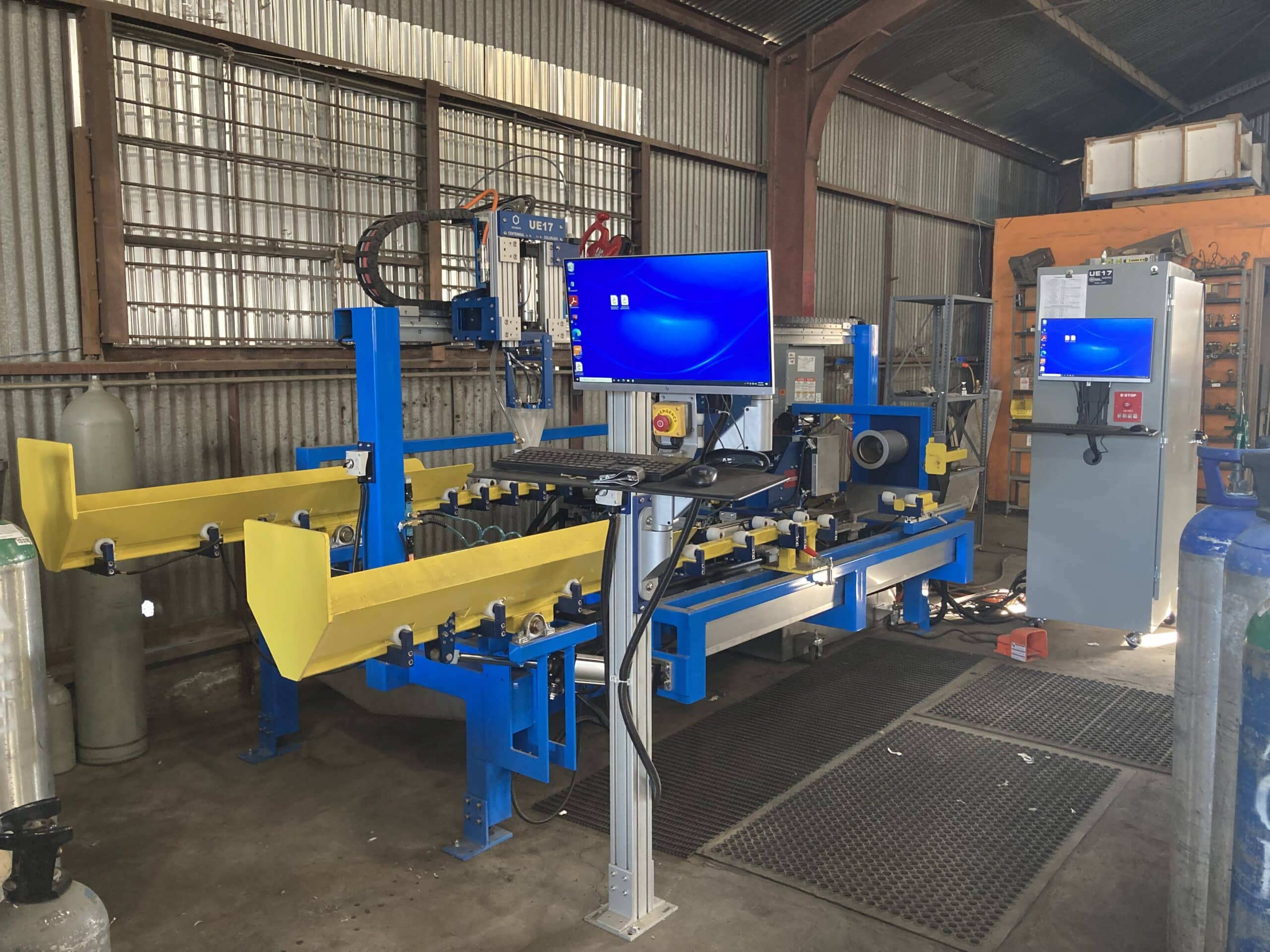
When performing repairs, it is imperative to use high-quality replacement parts that align with or exceed original equipment standards. This not just helps to restore the cylinder's functionality but also increases its durability. Additionally, proper cleaning of components before reassembly is vital to remove contaminants that might compromise the cylinder's function. Following production guidelines during installation will guarantee that all components are installed correctly, reducing the likelihood of future issues.
Finally, training and skill development for personnel involved in maintenance and repair are key factors in obtaining maximum results. Technological advancements in hydraulic systems mean that staying updated with the latest methods and tools is necessary. By spending in ongoing education and encouraging knowledge exchange among technicians, organizations can enhance their repair processes and improve overall system reliability.